
Consultation

  • 04-21/2026
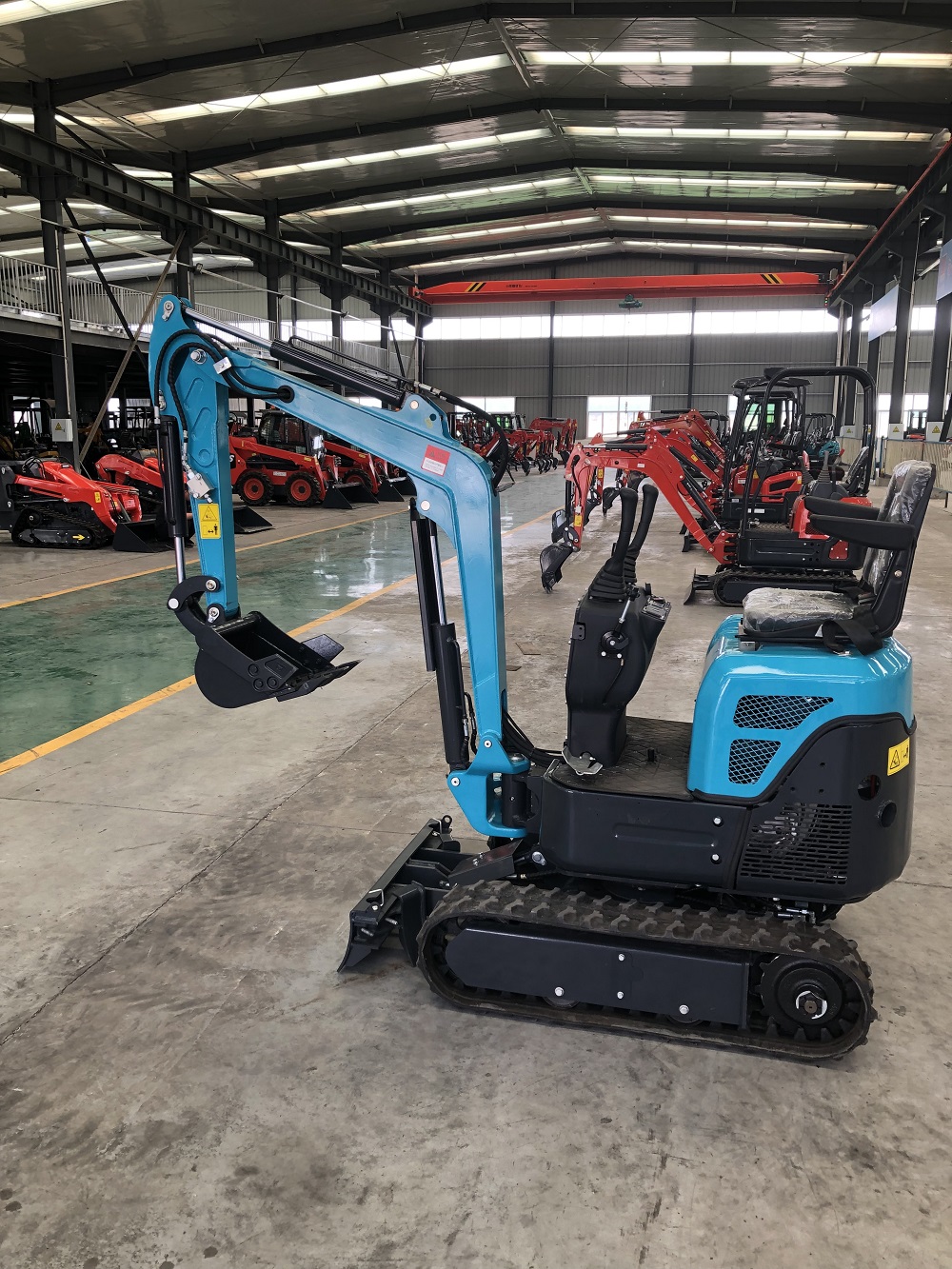
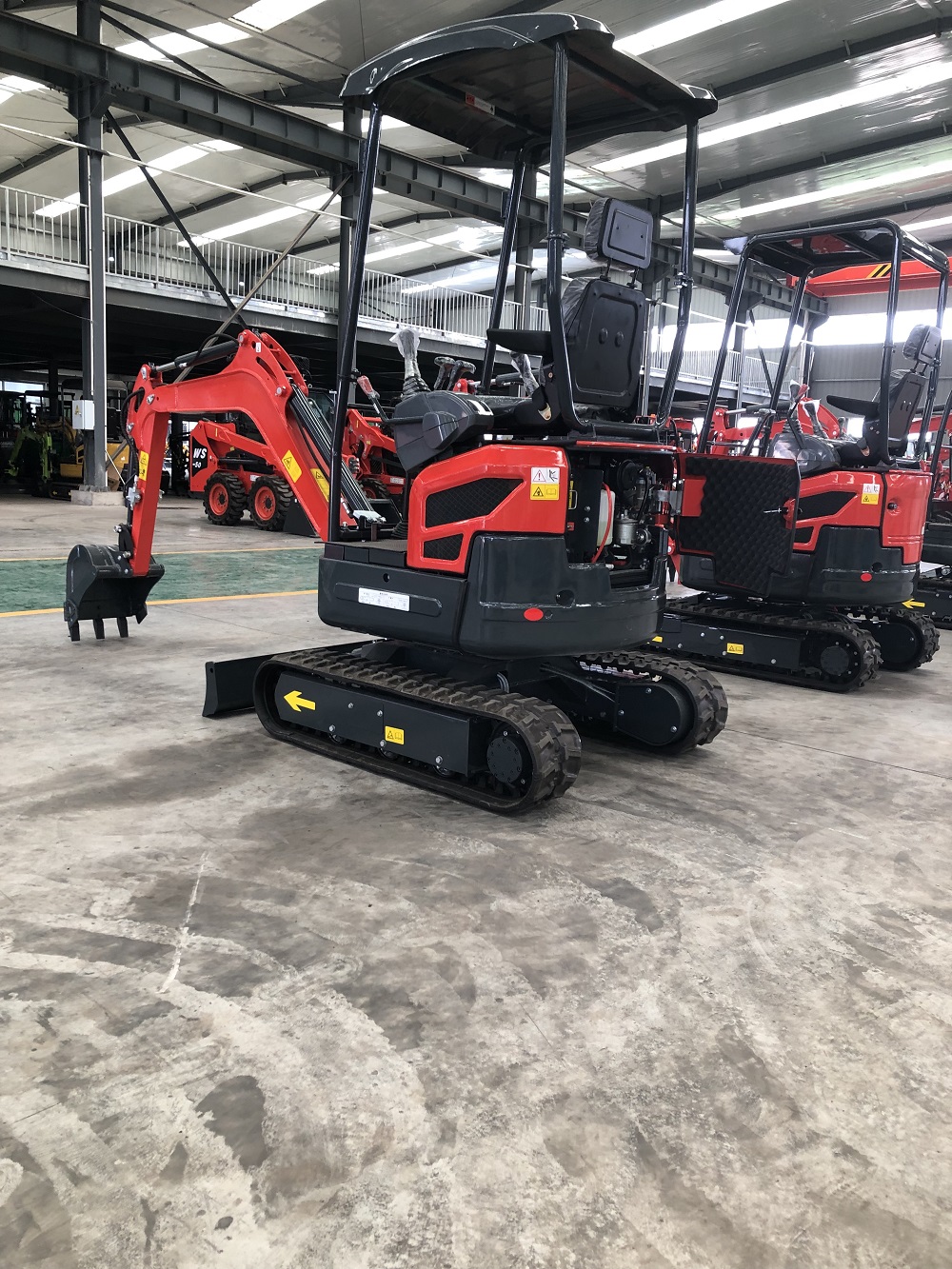
    This article introduces the Jining Chengxiao CX12-6PS mini excavator – a 1.1-ton class machine with a 0.02m³ bucket, powerful 10.2kW engine, and ultra-compact dimensions (2600×750×1965mm). It explains the key performance parameters, highlights the robust construction (high-strength cast steel components), and most importantly, guides customers on exactly which working conditions and projects make the CX12-6PS the right choice. Whether you are a landscaper, farmer, contractor for residential projects, or rental fleet owner, this article helps you decide if this micro excavator fits your needs.
  • 04-20/2026
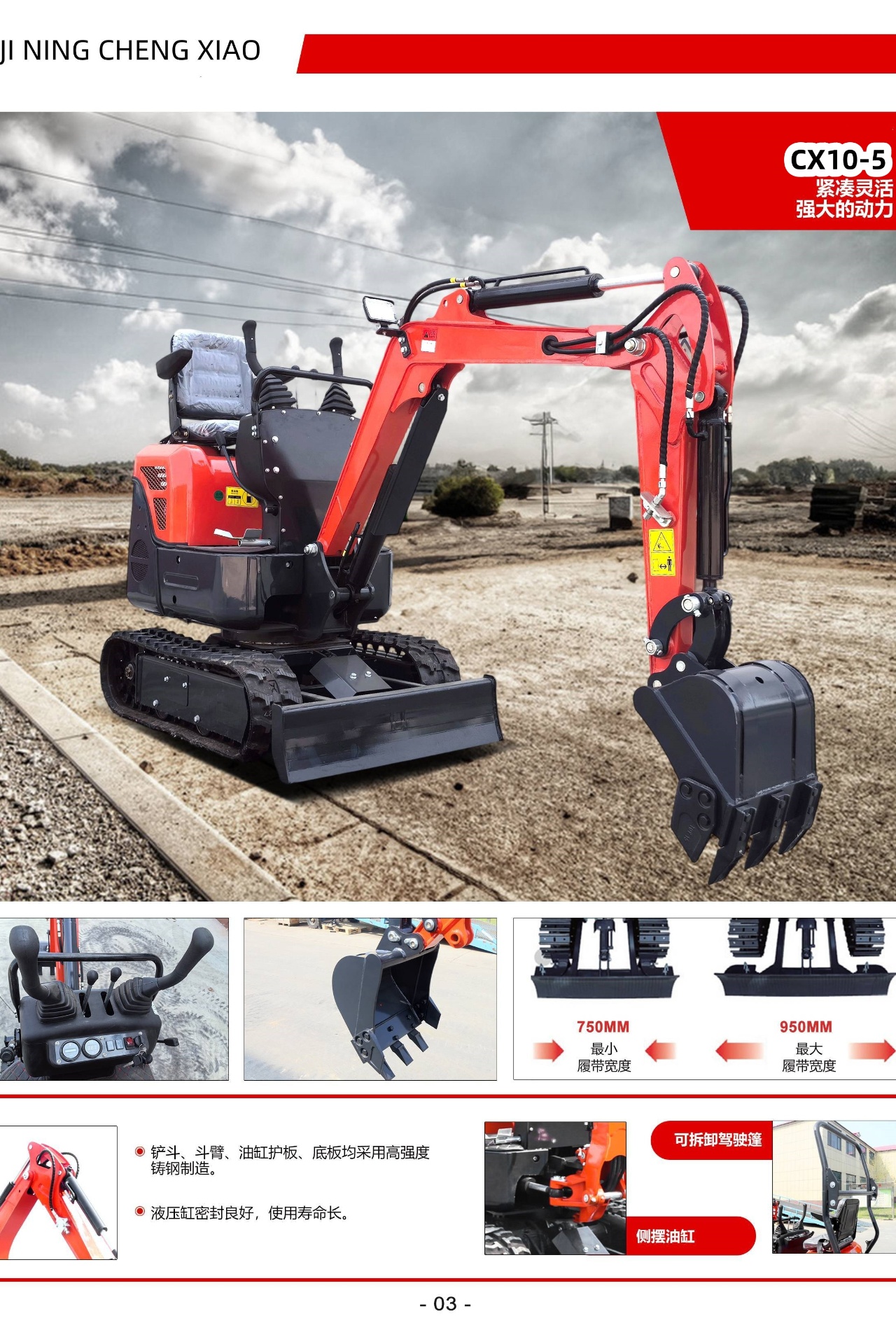
    Need a micro excavator that fits through a standard garden gate? The CX10-5 weighs only 780kg, digs 1.61m deep, and runs on a fuel-efficient 7.3kW diesel engine. Ideal for small farms, vineyards, and backyard projects.
  • 04-20/2026
    Not all mini excavators are built for landscaping. In this guide, we help you choose the right compact excavator based on real job site needs – from small garden renovations to large commercial projects. Discover which model (0.8t to 3t) suits your business best, and what long‑tail features truly matter.
  • 01-06/2026
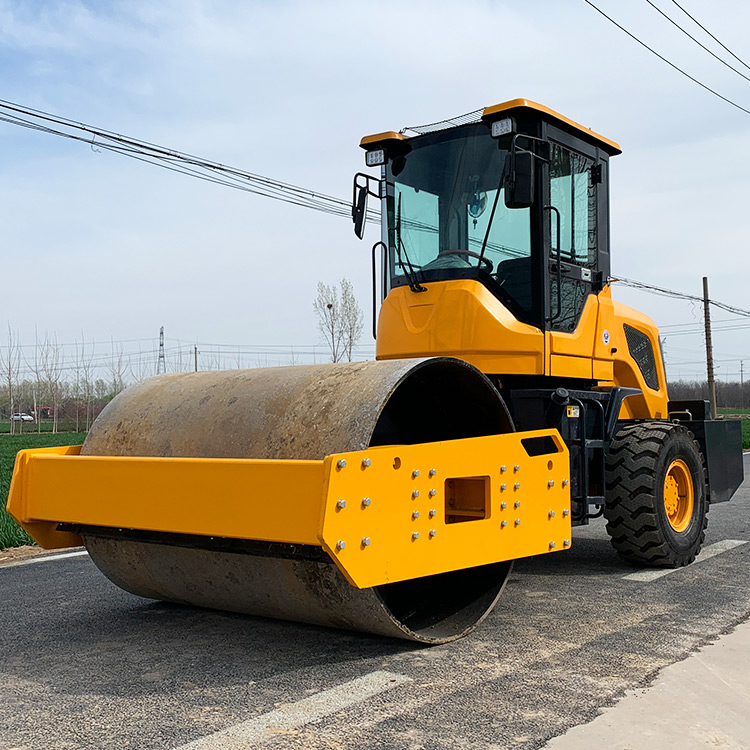
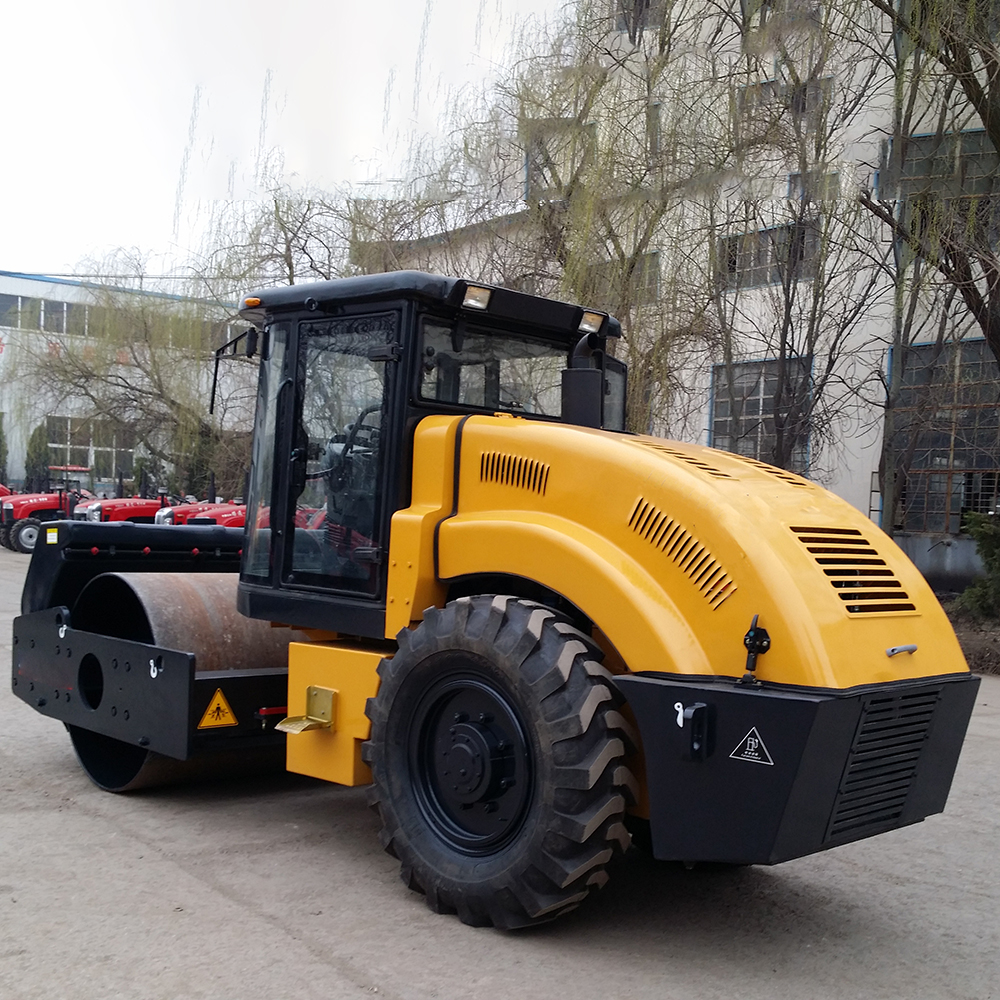
    Proper maintenance of hydraulic systems and vibration drums is crucial for road roller performance and longevity. This guide details systematic care procedures: checking for leaks, monitoring oil levels, changing hydraulic fluid and filters every 500 hours, replacing vibration drum oil every 1000 hours, and greasing bearings regularly. Following these practices prevents costly repairs and ensures optimal compaction efficiency.
  • 01-05/2026
    Small road rollers are essential for soil and asphalt compaction, but slipping can reduce efficiency and cause safety concerns. This guide explains why small compactors slip—from worn friction plates and oil contamination to improper operation—and provides actionable solutions. Learn how to diagnose the issue, perform fixes, and prevent future skidding through regular maintenance and correct operating practices.
  • 01-04/2026
    As temperatures plummet, proper winterization of your road compaction equipment is critical to avoid costly freeze damage and downtime. This guide provides detailed, model-specific instructions for draining water from cooling systems, spray systems, and filters on various roller types—including pneumatic tire, double drum, and light compactors. Following these procedures will safeguard your vibratory roller's engine, hydraulic components, and water systems, ensuring reliable performance when the next road construction season begins. Key steps cover水箱放水,洒水系统排空, and关键部件保护.
  • 12-31/2025
    This guide details the essential maintenance and service procedures for small (4-10 ton) fully hydraulic single drum rollers, indispensable machinery in road construction. Proper and regular maintenance is crucial for extending equipment lifespan, ensuring operational efficiency, and minimizing unnecessary costs. The guide covers component lubrication, hydraulic system upkeep, engine care, and routine inspection protocols. Users are strongly advised to strictly adhere to all specifications outlined in the official manufacturer's Operation and Maintenance Manual.
  • 12-30/2025
    Regular maintenance of a road roller's gearbox is crucial for reliable operation. This guide systematically explains the complete quarterly cleaning process, highlighting the correct use of kerosene for flushing and the proper replacement with SAE 20 gear oil. It also lists five key daily inspection points covering control linkage adjustment, seal checks, and bolt tightening, offering actionable maintenance instructions.
  • 12-29/2025
    China's construction machinery industry demonstrated a marked recovery in November, with major product lines posting significant year-on-year growth. Excavators and loaders grew by 13.9% and 32.1% respectively, while vibratory rollers surged 39.3%. Exports remained a vital growth driver, with roller exports jumping 48%. The data highlights a resilient domestic market driven by specific sectors and a robust, albeit selective, export performance, indicating the industry is on a steady path to recovery.
  • 12-29/2025
    During China's 14th Five-Year Plan period, the engineering machinery industry demonstrated remarkable resilience and growth, with exports surging from $20.9 billion in 2020 to approximately $52.9 billion in 2024. This success is driven by breakthroughs in ultra-heavy equipment like 4000-ton cranes and super-large tunnel boring machines, alongside transformative digital and intelligent upgrades leveraging 5G and AI. The industry’s products now serve over 210 countries, solidifying China's role as a global leader. As the sector looks toward the 15th Five-Year Plan, it is poised for sustained, high-quality expansion, reshaping international infrastructure development.
  • 12-26/2025
    As large-scale infrastructure growth moderates, the construction machinery industry is shifting focus toward emerging opportunities in decentralized markets. Small road rollers, prized for their flexibility and cost-effectiveness, are rapidly becoming essential equipment in rural construction projects and the thriving equipment rental sector. This article analyzes the drivers behind this trend, the changing competitive landscape, and the future outlook for small compaction equipment in global markets.
  • 12-25/2025
    This article provides a comprehensive comparison between dry and wet friction discs, two fundamental types used in power transmission and braking systems. It details their distinct operating environments: dry discs function in air-cooled settings (e.g., manual clutches, brakes), while wet discs operate submerged in oil (e.g., automatic transmission clutches). The guide contrasts their material compositions, such as ceramic/sintered metals for dry applications and paper-based/sintered bronze materials for wet systems. It further explains how performance is analyzed—through torque characteristics and heat management—and offers a clear selection framework based on application requirements like engagement smoothness, heat dissipation, and system complexity. This resource is essential for engineers, procurement specialists, and technicians making informed decisions about friction components.